15 November 2026 — Ramzi Chamat
Successful Real Estate Projects in Geneva: 2026 Practical Guide
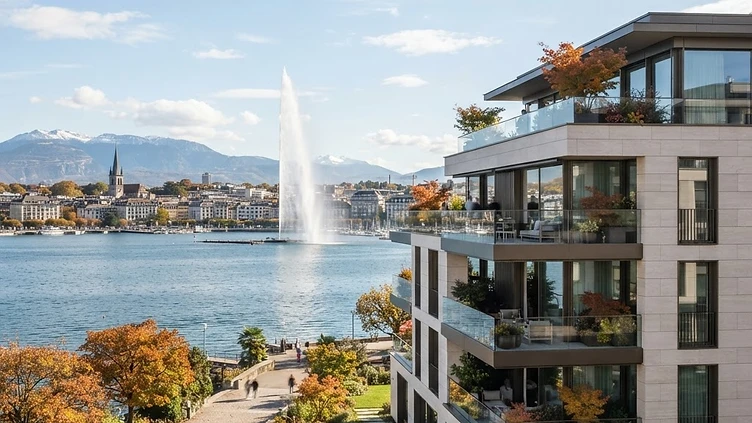

The Geneva real estate market in late 2026 demands a methodical approach, whether you are selling a property in Geneva or finalizing a purchase. To succeed, it is essential to master local specificities, particularly regarding property valuation and energy compliance. At OAKSWELL, we support our clients by combining technical expertise with a deep understanding of micro-markets.
The Importance of Precise Property Valuation in Geneva
The first step of any successful transaction is a realistic assessment. An overly high estimate penalizes your property's visibility, while under-valuation unnecessarily reduces your capital. In Geneva, value depends on precise factors: micro-location, building quality, co-ownership charges, and voted works. To sell a villa or an apartment, it is crucial to base your price on actual transactions signed in your sector over the last 3 to 6 months, rather than sometimes inflated listing prices.
Energy Renovation: Obligations and Opportunities
The Geneva real estate stock is at the heart of a major energy transition. If your building's Heat Expenditure Index (IDC) exceeds 222 kWh/m².year (800 MJ/m².year), works are mandatory. However, the canton has strengthened its support: in 2026, 80 million francs are available to owners to subsidize energy efficiency via the Buildings Program and SIG-éco21.
- Conduct an energy audit (such as CECB Plus) to prioritize work.
- Focus on envelope insulation, window replacement, and the transition to renewable heating systems (GeniLac, heat pumps).
- Take advantage of cantonal subsidies and tax deductions to optimize your investment.
Negotiation: Turning Constraints into Arguments
When facing a buyer, transparency is your best ally. A complete file including PPE minutes, recent work invoices, and compliance certificates reduces uncertainty. In 2026, the negotiation margin in Geneva generally sits between 1.5% and 3.0% in tight zones, and can reach 5% for overvalued properties. Rather than conceding on price, use non-price levers such as transfer dates or inclusions to preserve your net seller proceeds.
Key Takeaways
- A fair valuation, based on real comparables, is the foundation of any successful sale.
- Energy renovation is no longer optional: anticipate IDC thresholds to increase your asset value.
- Prepare your sales file in advance to limit buyer negotiation margins.
- Consult experts to navigate LDTR constraints, IBGI issues, and subsidy opportunities.
Frequently Asked Questions
How do I know if my building requires energy renovation?
If your IDC exceeds 222 kWh/m².year, work is required. An energy audit allows you to verify your status and plan the necessary interventions to reach HPE or THPE standards.
What is the current negotiation margin in Geneva?
In sought-after areas, expect a margin of 1.5% to 3%. For less desirable or overvalued properties, this margin can rise to 5%.
Why is it advisable to use a Geneva real estate broker?
A broker provides an objective market view, filters solvent buyers, masters legal aspects (LDTR, IBGI), and defends your price with factual evidence, thereby maximizing your net seller proceeds.
Sources
- State of Geneva, "Renovation of a building", 2025-2026.
- State of Geneva, "The canton strengthens its action in favor of energy renovation", July 2026.
- Tribune de Genève, "Geneva: 80 million for building energy renovation", February 2026.
Are you looking for a free valuation of your property or wish to discuss your real estate project in complete discretion? Contact the OAKSWELL team. We put our expertise in the Geneva market at your service to secure and enhance your transaction.